A specialized compound-semiconductor fab looked like a mismatch for conventional users. By treating its constraints as clues to the right buyer, the team repositioned the asset for a new advanced-manufacturing mission.
The Challenge
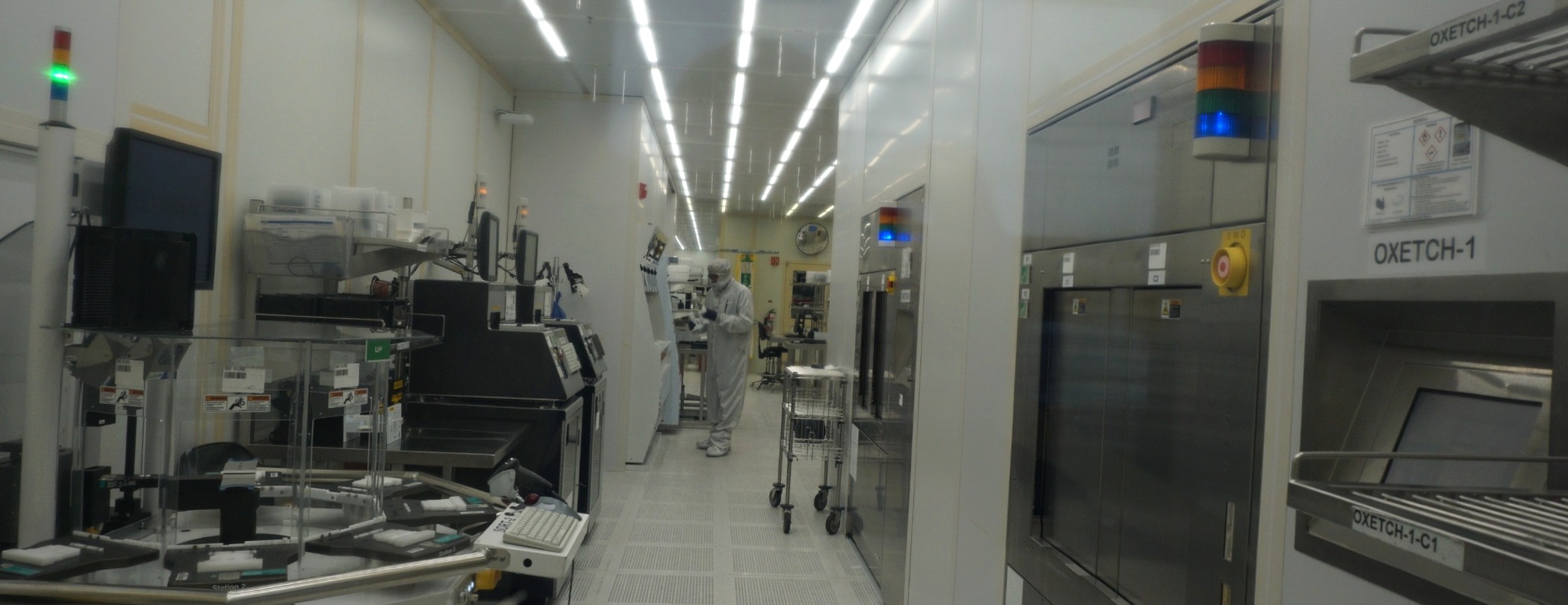
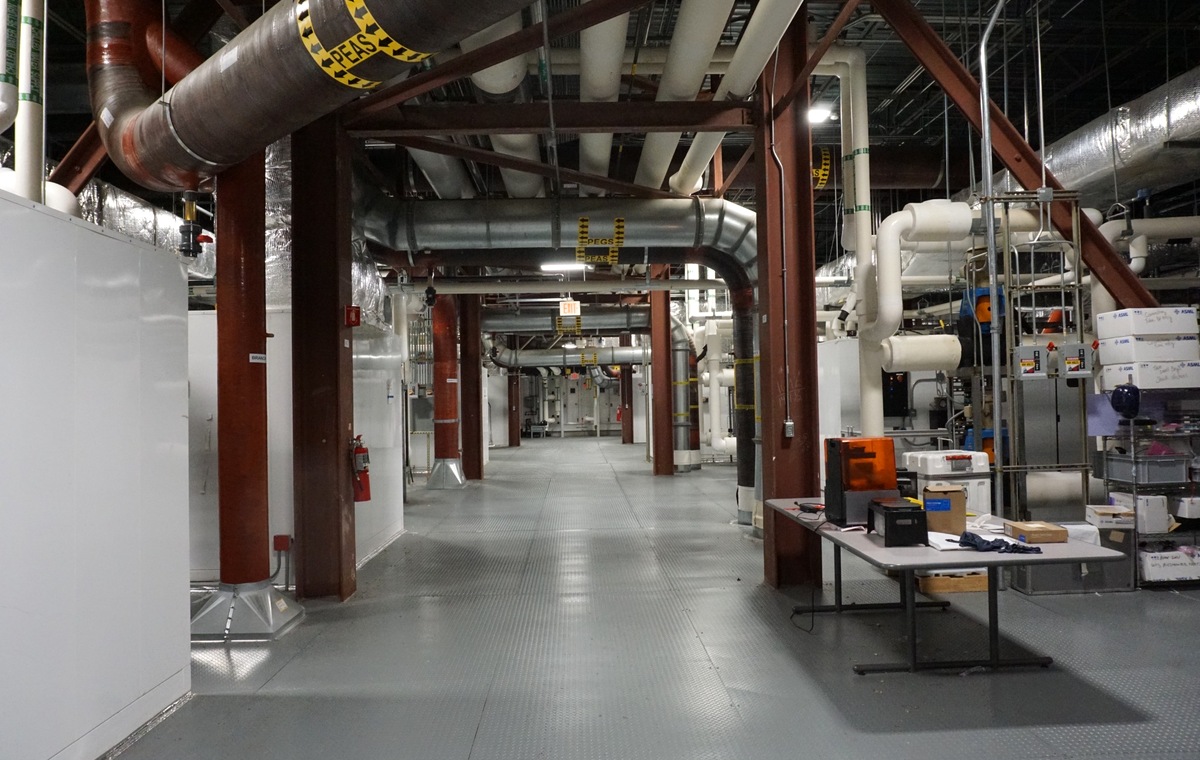
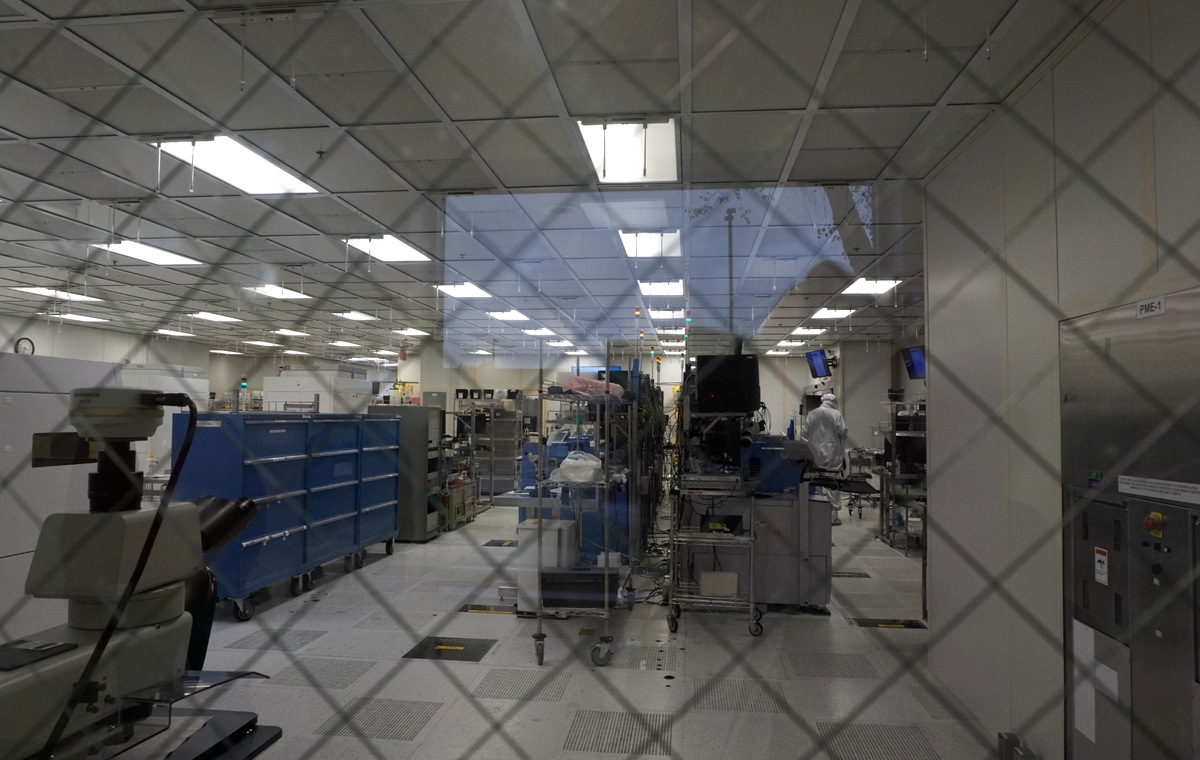
Qorvo engaged Binswanger after two prior successful assignments in Texas and Costa Rica. This assignment was structurally different: only the fab was being sold, while adjacent facilities remained with Qorvo. The operating building was configured for non-silicon semiconductor processes, with relatively narrow bay-and-chase cleanrooms and specialized infrastructure. It was a poor match for a conventional silicon fab and unattractive to ordinary industrial redevelopers.
The decision therefore extended beyond real estate. Qorvo needed a path for the facility, equipment, and experienced people. Without a qualified end user, the likely fallback was equipment recovery and dismantlement—not a typical industrial-property sale.
The Strategic Insight
Ken Anthony led the development of a broader adaptive-reuse thesis for Binswanger. Rather than treating the smaller cleanrooms and unusual layout only as defects, he used them as filters. The strongest prospects would be advanced manufacturers or R&D users whose processes could benefit from a specialized cleanroom platform and non-silicon materials capability.
The search expanded beyond a like-for-like chip manufacturer. Multiple end-user offers emerged across photonics and medical-device manufacturing, validating that process fit—not generic building fit—would determine value.
Strategy in Action
- Translated cleanroom geometry, chases, utilities, equipment, and workflow into specific user-fit questions.
- Helped map Lumentum's requirements onto the existing footprint and work through objections to adaptive reuse.
- Maintained an end-user strategy because campus constraints and the limited sale boundary reduced the viability of conventional redevelopment.
- Integrated the Binswanger team's transaction, workforce, equipment, schedule, and economic-development work around one reuse outcome.
The Outcome
Lumentum acquired the operational 240,000-square-foot facility from Qorvo and announced a retrofit for indium phosphide optical devices, including continuous-wave and ultra-high-power lasers for AI data centers; NVIDIA is a named customer. The agreement transferred an experienced workforce. Lumentum expects to invest hundreds of millions of dollars, preserve and create more than 400 U.S. manufacturing jobs, and ramp production in mid-2028.
The outcome closely matched the original reuse thesis: a specialized, non-silicon fab became a platform for a different compound-semiconductor process instead of being reduced to equipment and scrap.
Why This Experience Matters
The facility was not made generic. Its specificity was translated into strategic value. That is the core of industrial adaptive reuse: diagnose the operating platform, identify adjacent uses, and connect the asset with a buyer capable of preserving what already works.
Capabilities Demonstrated
- Adaptive reuse strategy for specialized advanced manufacturing
- Technical-commercial translation of cleanrooms, utilities, and workflow
- Targeted end-user positioning across adjacent technology sectors
- Rapid fit analysis and objection resolution
This work was performed by Ken Anthony as an integral member of Binswanger's advisory team and is presented as representative prior professional experience. It is not represented as an engagement performed by AIndustrial Strategy. Qorvo, Lumentum, and public partners retain credit for their respective operating, investment, and economic-development decisions.
Public outcome facts: Lumentum announcement dated March 26, 2026. Project photographs provided by Ken Anthony.